In the ever-evolving world of cryptocurrency trading, staying updated with the latest price trends is crucial for making informed decisions. Ethereum, being one of the most popular cryptocurrencies, has seen significant price fluctuations over the years. One of the most eff
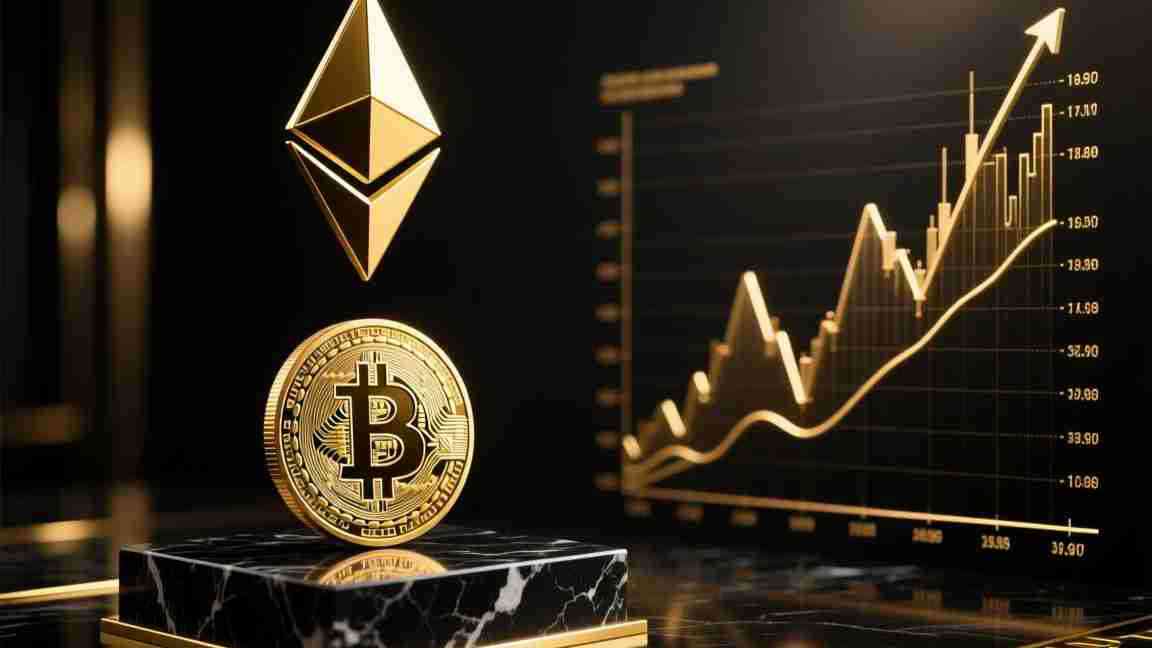
K-line charts, also known as candlestick charts, are a popular tool for technical analysis in the financial markets. They provide a visual representation of the price movements of a cryptocurrency over a specific period. Each K-line chart consists of four main components: the opening price, the highest price, the lowest price, and the closing price. These components are represented by a hollow or filled body, and two thin lines extending from the body, known as wicks or shadows.
To begin using K-line charts for Ethereum trading, you first need to access a reliable cryptocurrency trading platform that offers this feature. Once you have access to the K-line charts, here are some key elements to consider:
-
Trends: K-line charts help identify trends in the Ethereum price. By observing the direction of the candlesticks, you can determine whether the market is bullish (prices are rising) or bearish (prices are falling). For example, a series of rising candlesticks with higher highs and higher lows indicates a bullish trend, while a series of falling candlesticks with lower highs and lower lows indicates a bearish trend.
-
Support and Resistance: K-line charts can help identify key support and resistance levels. Support levels are price points where the market has faced strong buying pressure, preventing prices from falling further. Resistance levels, on the other hand, are price points where the market has faced strong selling pressure, preventing prices from rising further. Traders often look for opportunities to enter or exit trades at these levels.
-
Patterns: K-line charts can reveal various chart patterns, such as head and shoulders, triangles, and flags. These patterns can indicate potential reversals or continuation of the current trend. For example, a head and shoulders pattern can signal a reversal from a bullish trend, while a triangle pattern can indicate a continuation of the current trend.
-
Volume: The volume of trading activity can provide additional insights into the Ethereum price trends. A high volume during an upward trend suggests strong buying pressure, while a high volume during a downward trend suggests strong selling pressure.
To effectively use K-line charts for Ethereum trading, it is essential to practice and gain experience in interpreting the charts. Here are some tips to help you get started:
- Start by analyzing short-term trends (e.g., 1-hour or 4-hour charts) to get a sense of the market's volatility.
- Combine K-line charts with other technical indicators, such as moving averages and RSI, to confirm your trading decisions.
- Be aware of the risks involved in trading cryptocurrencies and never invest more than you can afford to lose.
In conclusion, K-line charts are a valuable tool for analyzing Ethereum price trends and making informed trading decisions. By understanding the key elements of K-line charts and practicing your analysis skills, you can improve your chances of success in the cryptocurrency market.